One team, source to dashboard
No hand-off gap between the people who build the pipeline and the people who build the analytics. Requirements travel end to end without being re-explained.
Dashboards disagree. Finance and sales quote two different revenue numbers. The AI pilot that wowed the board now produces answers nobody will sign off on. None of this is a tooling problem. It is a trust problem, and it begins upstream, in the pipelines that move data long before anyone sees it. Talend connects every source, cleanses what is broken, and governs what is allowed to move. Clay designs, builds, and runs that layer around how the business actually works.
The Partnership
2013
Qlik became Clay's founding analytics practice. The work that followed kept running into the same limit: a dashboard is only as trustworthy as the pipeline feeding it.
2023
Integration, data quality, governance, and analytics moved into one portfolio, marketed together as Qlik Talend Cloud. Talend still deploys in the cloud, on-premises, or in hybrid environments.
Today
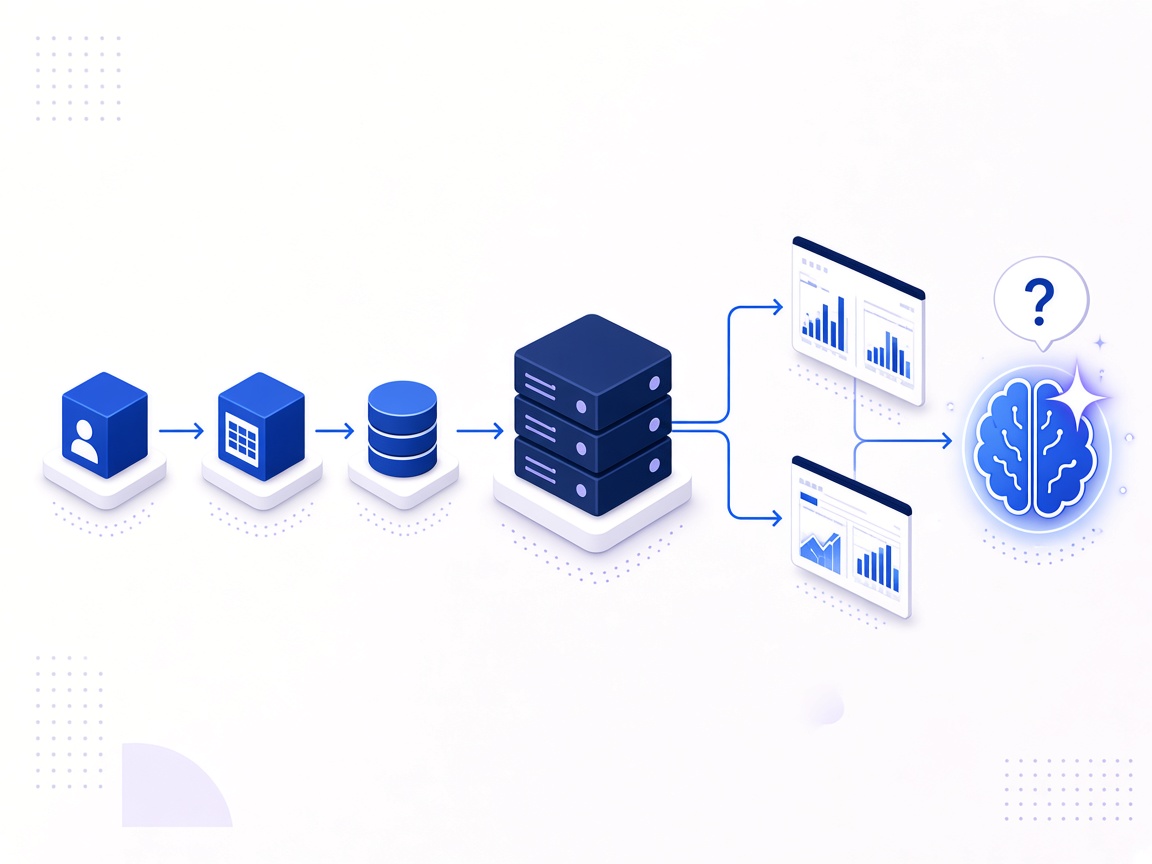
Clay, a Qlik partner since 2013, already works both ends of that portfolio. The pipeline and the analytics are designed together, so the number on the dashboard can be traced to the source.
Next
Forecasting, anomaly detection, and natural-language access are only as reliable as the data beneath them. A governed Talend pipeline is what makes those features safe to switch on.
Focus
No hand-off gap between the people who build the pipeline and the people who build the analytics. Requirements travel end to end without being re-explained.
When integration, quality, and reporting are designed together, the number on the dashboard matches the number in the source system, and you can prove why.
AI features are only as reliable as the data beneath them. A governed Talend pipeline is what makes forecasting, anomaly detection, and natural-language querying safe to switch on.
Connect. Cleanse. Trust.
Talend data management fixes the layer under the dashboard. Clay delivers it as one integration platform, not a pile of scripts only one person understands.
Pull every source into one platform.
Talend Data Integration pulls from databases, files, applications, and APIs, on-premises or in the cloud, through a broad library of pre-built connectors. As a single Talend integration platform, it replaces a tangle of one-off scripts.
Treat data quality as a step in the pipeline.
Duplicates, malformed values, gaps, and mismatches are profiled and handled before they land anywhere that matters. Quality is not a clean-up project after the fact.
Make every number traceable to its source.
Governance, lineage, and validation rules separate data you can present from data you have to apologise for. That traceability is the foundation AI needs before it can be believed.
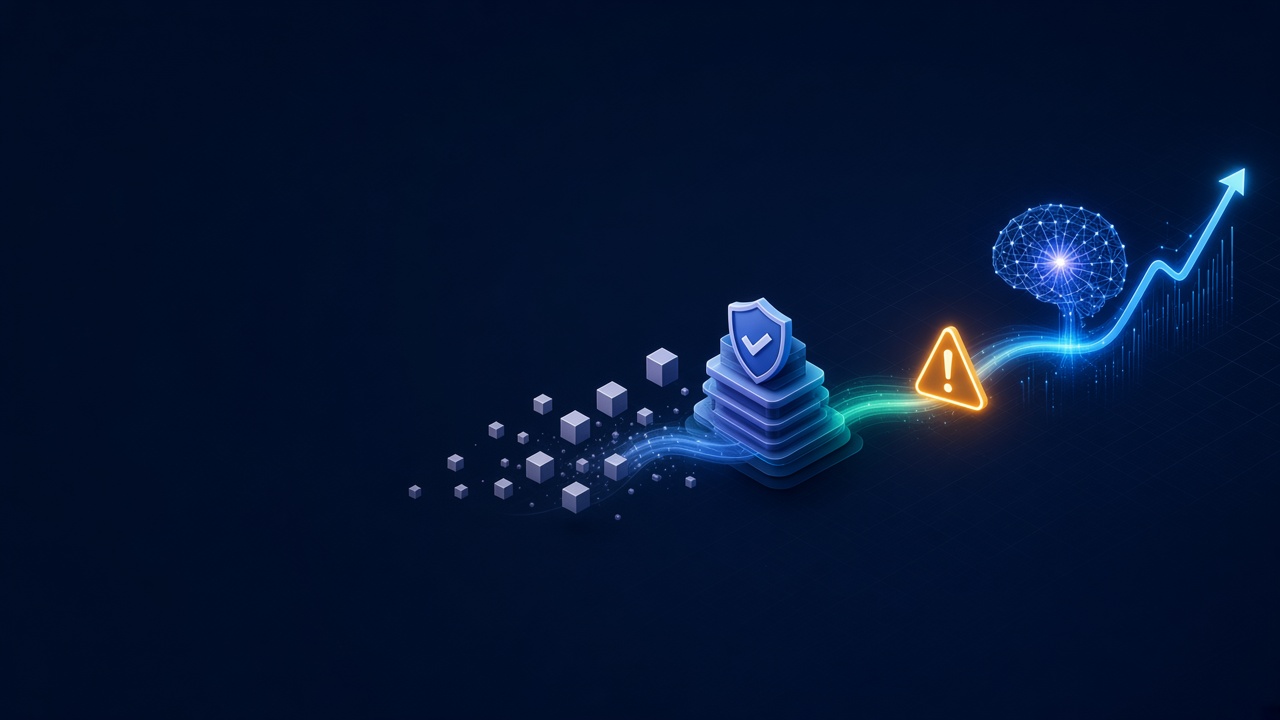
Connect without cleanse just moves the mess faster. Cleanse without trust leaves you a tidy dataset you still cannot defend. Trust is what lets analytics, automation, and AI use the number in a boardroom.
In Practice

In 2023, Qlik completed its acquisition of Talend. The two now sit in a single portfolio spanning data integration, data quality, governance, and analytics. For an enterprise that already trusts Qlik for analytics, the pipeline feeding the dashboard and the dashboard itself belong to the same ecosystem. Clay already understands both ends of it.
That shows up as one team from source to dashboard, one version of the truth when integration and reporting are designed together, and analytics that are ready for AI because the data underneath is governed. Talend works with a wide range of sources and targets, including AWS, Azure, Snowflake, and Databricks, so it sits beside the platforms already in Clay's stack.
Existing Talend customers, including Talend Data Fabric users, can keep their current solutions after the acquisition. Clay can audit, extend, or modernise what you already run instead of forcing a restart.
What Clay Delivers
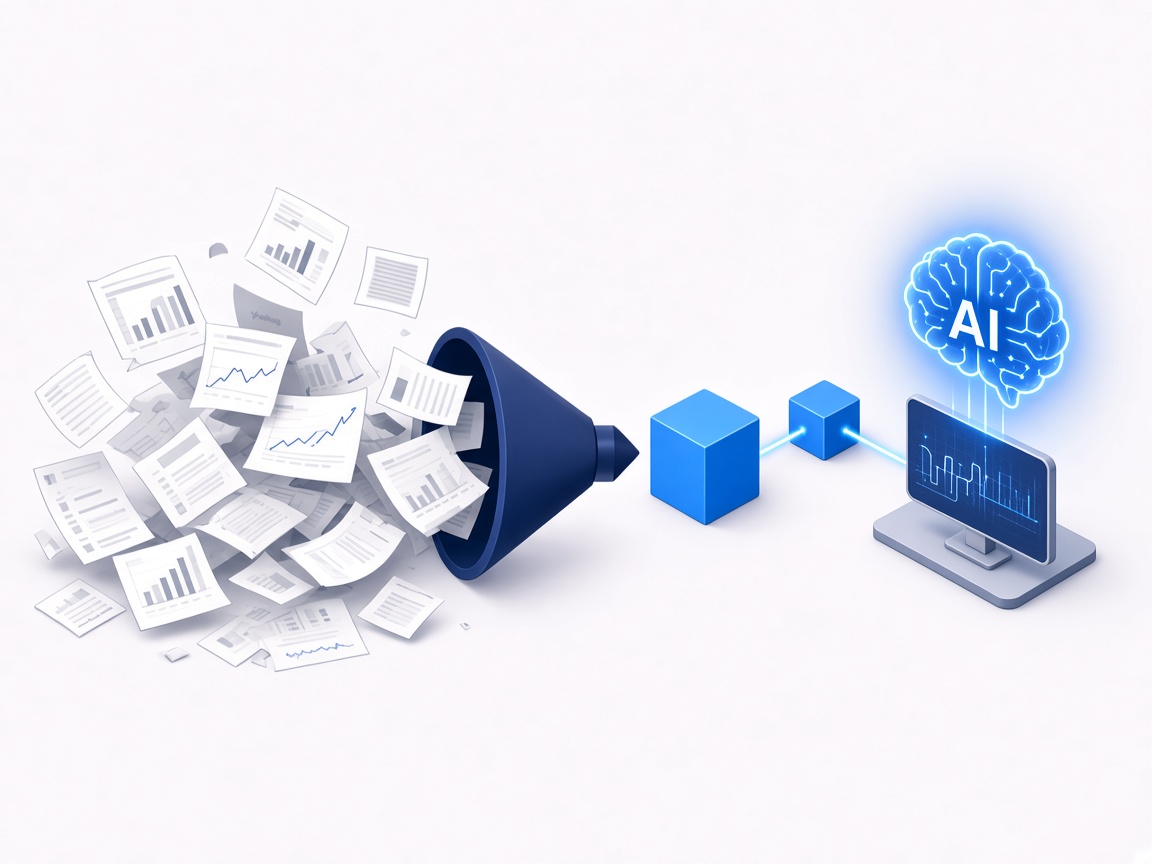
Talend Data Integration: ETL and ELT pipelines across databases, files, cloud stores, and applications, for batch or near-real-time needs.
Data quality and cleansing: profiling, standardisation, de-duplication, and enrichment, so downstream reports start from clean ground.
Data migration on Talend: legacy-to-modern moves with field-level mapping, validation before load, and reconciliation after.
Application and API integration: operational systems that need to exchange data continuously, not only at month-end.
Governance and lineage: rules, ownership, and traceability that hold up to audit and compliance review.
Managed pipelines and staffing: ongoing operation of the Talend estate, or specialists embedded through Clay's staff augmentation practice.
Proven Results
The same discipline shows up beyond one bank: cleanse and map before data lands, then keep the integrations governed.
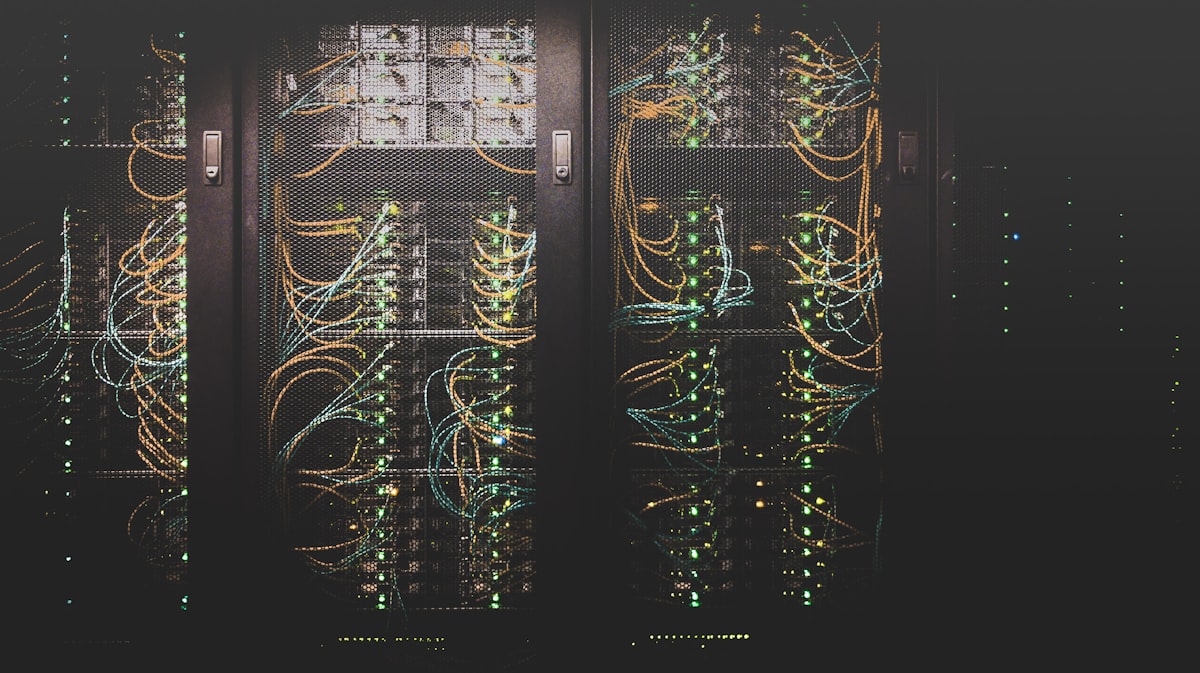
A banking client needed suspicious transactions caught systematically instead of by manual review. Clay built a Talend pipeline that ingests transaction data, validates it, and applies five rules at once: annual limit per card, unusually large transactions, rapid repeats, activity across geographies, and structuring patterns meant to stay under a threshold. Anything that trips a rule is flagged, risk-classified, and loaded into a central fraud-alert table. The detection is rule-based by design, so every flag stays explainable to an auditor.

A European fibre provider consolidated more than 20 legacy systems into a single ServiceNow platform, cutting rollout duration by 20% and order fallout by 50%. Consolidation at that scale depends on clean, reconciled data moving between systems. Talend fits as the cleanse-and-map step before data lands, and as the governed integrations afterwards.
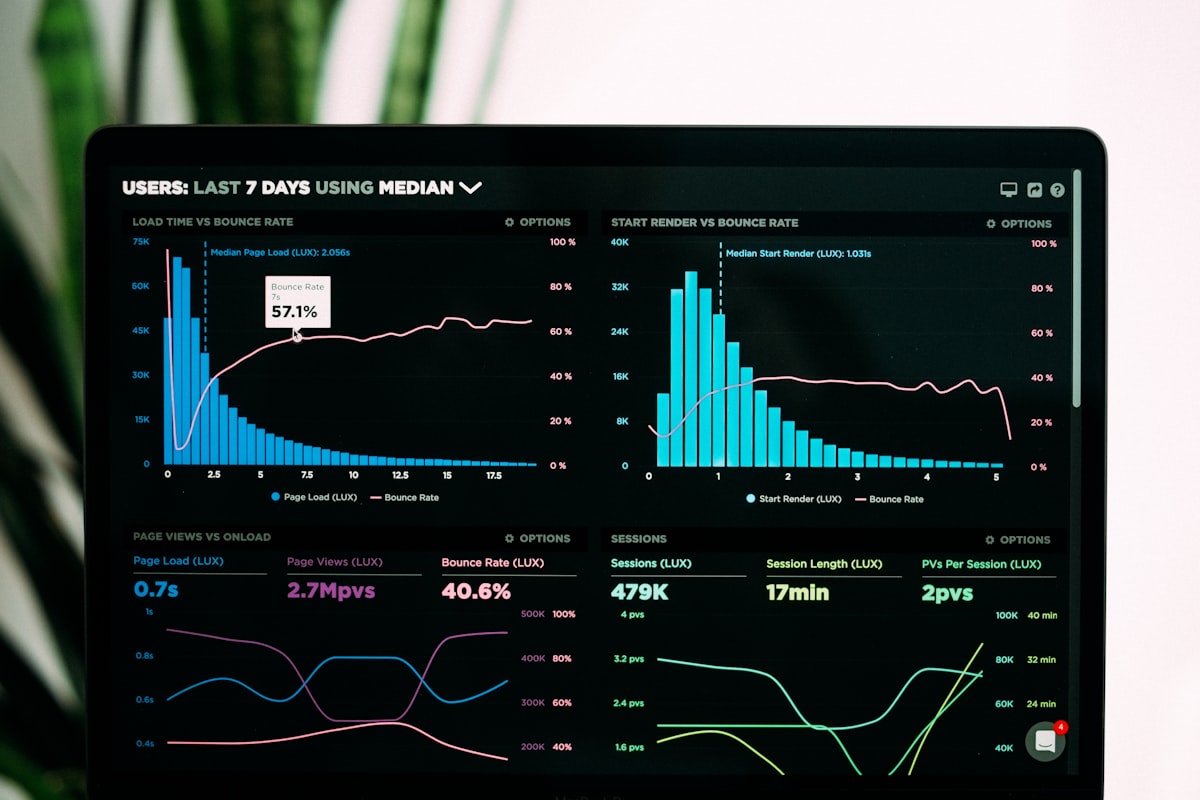
A telecom technology provider managing millions of connected devices used Qlik Sense to unify telemetry across devices, network, and customer systems, cutting reporting dependency and opening a paid-analytics line. Talend fits upstream of Qlik: standardise and quality-check that telemetry before it reaches a dashboard customers pay for.
If two reports still disagree, the fix is rarely the report. It is the pipeline that never validated the record as it arrived. Tell us where the number breaks.
The Platform
Batch, real-time, ETL, ELT, and API-led integration sit in one Talend platform. Clay designs the pipelines, migrations, and synchronisation from its data integration practice.
Trusted, reusable datasets for analytics, machine learning, and business use. Clay sets the quality rules, ownership model, and audit trail that make those datasets defensible.
Engineers hand-code complex logic while analysts use visual tooling, in one environment. Clay supplies delivery teams and embedded Talend specialists.
Talend positions its pipelines as the trusted-data supply line for AI. Clay decides which data is fit to feed which use case. That is a direction of the platform, not a claim that every engagement already runs a machine-learning layer.
Cloud, on-premises, or hybrid, with pre-built integrations across hundreds of sources, including AWS, Azure, Snowflake, and Databricks. Clay chooses the model around data residency, security, and infrastructure.
Industries Served
Related
Tell us where your data lives, what it feeds, and where it keeps letting you down. We'll scope the pipeline, the quality rules, and the path to analytics and AI.