Services

Training and consulting services built for the AI you just deployed

Most technology failures aren't technical. They're adoption failures wearing a technical excuse. The Qlik dashboard nobody opens after week three. The ServiceNow workflow people route around instead of through. The AI feature leadership approved and almost nobody on the floor actually uses it. Clay TechSystems' training and consulting services exist for the gap most vendors leave open: getting the architecture right before launch, and getting your people actually using it after.

Training and consulting services built for the AI you just deployed

The last mile most projects never budget for

A platform rollout has two ways to fail quietly, long after the "go live" announcement:

01

The architecture was wrong from the start.

Nobody scoped the roadmap, the total cost of ownership, or the change-management plan before build began, so the platform technically works, but it was never built around how the business actually operates.

02

The people were never actually enabled.

The platform works exactly as designed, and almost nobody uses it the way it was designed to be used, because training stopped at a single launch-week session nobody remembers three months later.

Most vendors solve one of these. Clay's training and consulting services are built to close both, because a correct architecture nobody adopts and a well-adopted tool built on the wrong foundation fail for the same underlying reason: the human side of the rollout was treated as an afterthought.

Two disciplines, one outcome

This isn't a new idea for Clay; it's the same two-pillar model already live on Clay's MegaHopex partner page today, extended here across the full partner stack:

Transformation Consulting

Getting the "why" and "how" right before anything is built.

Roadmap development, technical architecture guidance, total cost of ownership and return on investment analysis, and change-management planning advice and guidance on how to tie strategy, IT, and operations together, so the platform fits the business instead of just technically functioning inside it.

Training & Enablement

Making sure the platform doesn't just launch, it gets used.

Hands-on, role-based sessions for the people actually touching the system day to day and not a generic onboarding deck, but training scoped to what each team specifically needs to do inside the platform Clay just helped build or implement, so teams actually use it, not just sit through it once.

Two disciplines, one outcome

Both disciplines pull from the same underlying knowledge. Clay's consultants and trainers are the same practice leads who design and build the platforms, not a separate team reading the documentation after the fact. That overlap is what separates genuine enterprise technology training from a generic course licensed off the shelf, and what separates real digital transformation consulting from a slide deck that never touches the actual build.

Where AI changes what training

Where AI changes what training actually looks like

A trainer showing a tablet during a session

Generic training has always had the same weakness: one session, one pace, for people with completely different starting points and completely different jobs to do inside the platform. AI is what makes that weakness fixable:

Personalized learning paths, not a single static curriculum: AI-assisted training can adapt to what a specific user already knows and what their role actually requires, instead of running every learner through the same deck regardless of whether they're a Qlik analyst or a ServiceNow approver.

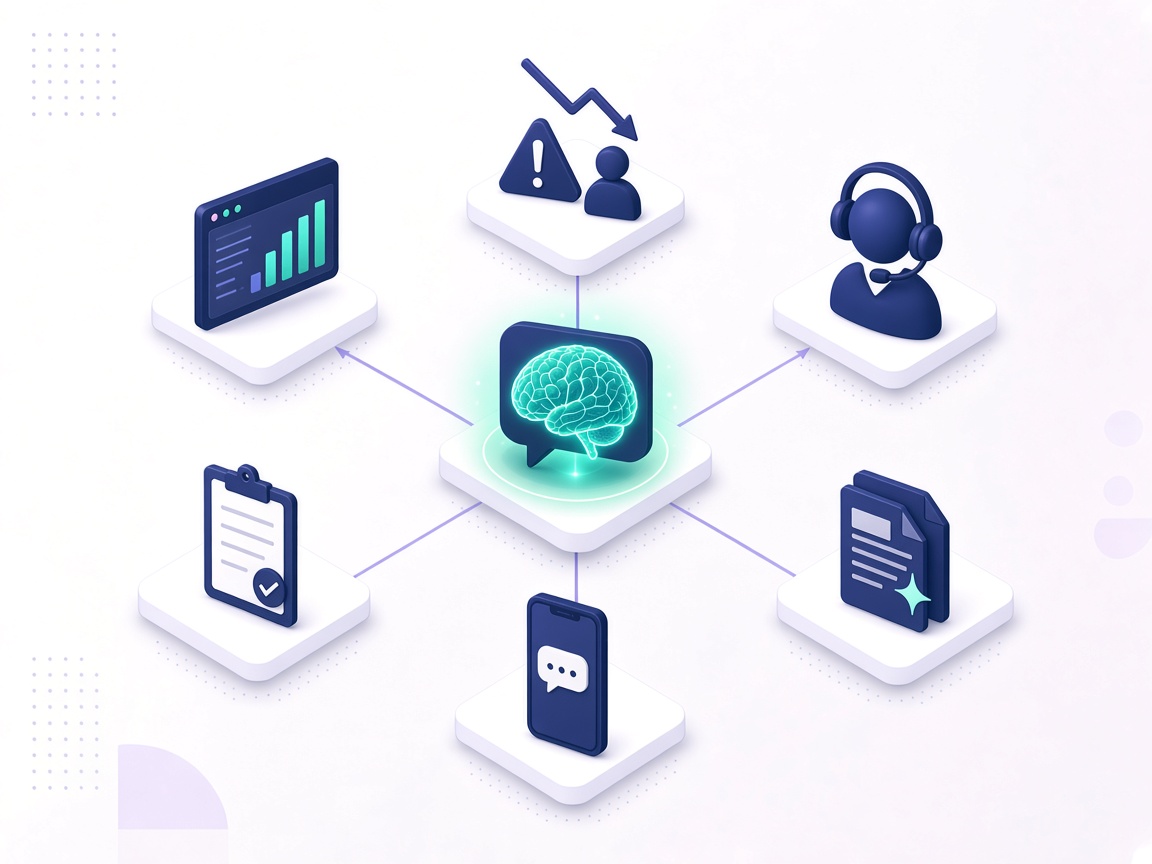
AI training and support that doesn't end when the session does: The same prompt-driven assistant architecture Clay has already built by tracing exactly where a stuck workflow is blocked and routing the right person to the right answer applies directly to post-training support: a user's in-platform question gets an immediate, specific answer instead of a ticket that waits for the next office hours session.

Consulting that's AI-literate by default: A roadmap or change-management plan written today has to account for where AI fits into the platform and the workflow, not treat it as a separate initiative bolted on afterward.

This isn't a claim that every Clay training session already runs on an AI tutor. It's a claim that AI training and support is where the discipline is heading, and where Clay's existing AI-assisted workflow architecture gives it a genuine head start.

What's actually covered

  • 1. Platform-specific enablement: Role-based training on the tools Clay implements; Qlik for the analysts who'll build and read dashboards, ServiceNow for the teams managing workflows and approvals, Talend for the data engineers maintaining pipelines, and Databricks training as Clay's practice in that area expands.

  • 2. Architecture and roadmap consulting: Technical architecture guidance, phased roadmap development, and total cost of ownership analysis before a platform decision gets made, not after it's already been built.

  • 3. Change management: Structured plans for how a new platform actually lands inside an organisation's existing habits, not just its org chart the discipline most "the platform works but nobody uses it" failures trace back to.

  • 4. Ongoing advisory: Ongoing support and continuous improvement beyond the initial deployment, so the platform keeps evolving with the business instead of becoming next year's legacy modernization project.

  • 5. Train-the-trainer programs: Building internal champions who can carry platform knowledge forward inside your organisation after Clay's engagement ends, instead of every future question routing back to an external vendor.

Consulting and training

Consulting and training, built on the same partnered platforms

  • Qlik

    Training for the analysts and business users who'll actually build and read dashboards day to day, and architecture consulting for how a Qlik deployment should be structured before it's built drawing on a Qlik partnership that dates to 2013.

  • ServiceNow

    Role-based enablement for approvers, administrators and end users, plus the architecture and licensing consulting that keeps a ServiceNow rollout cost-efficient from day one, not discovered as a cost problem a year in.

  • Talend

    Enablement for the data engineers and analysts maintaining pipelines, paired with the governance and quality consulting that keeps a Talend implementation trustworthy as it scales.

  • Databricks

    Training and advisory as Clay's Databricks practice expands, for enterprises bringing lakehouse-scale data engineering into their stack.

Consulting that changed what got built

Consulting that changed what got built, not just how it was documented

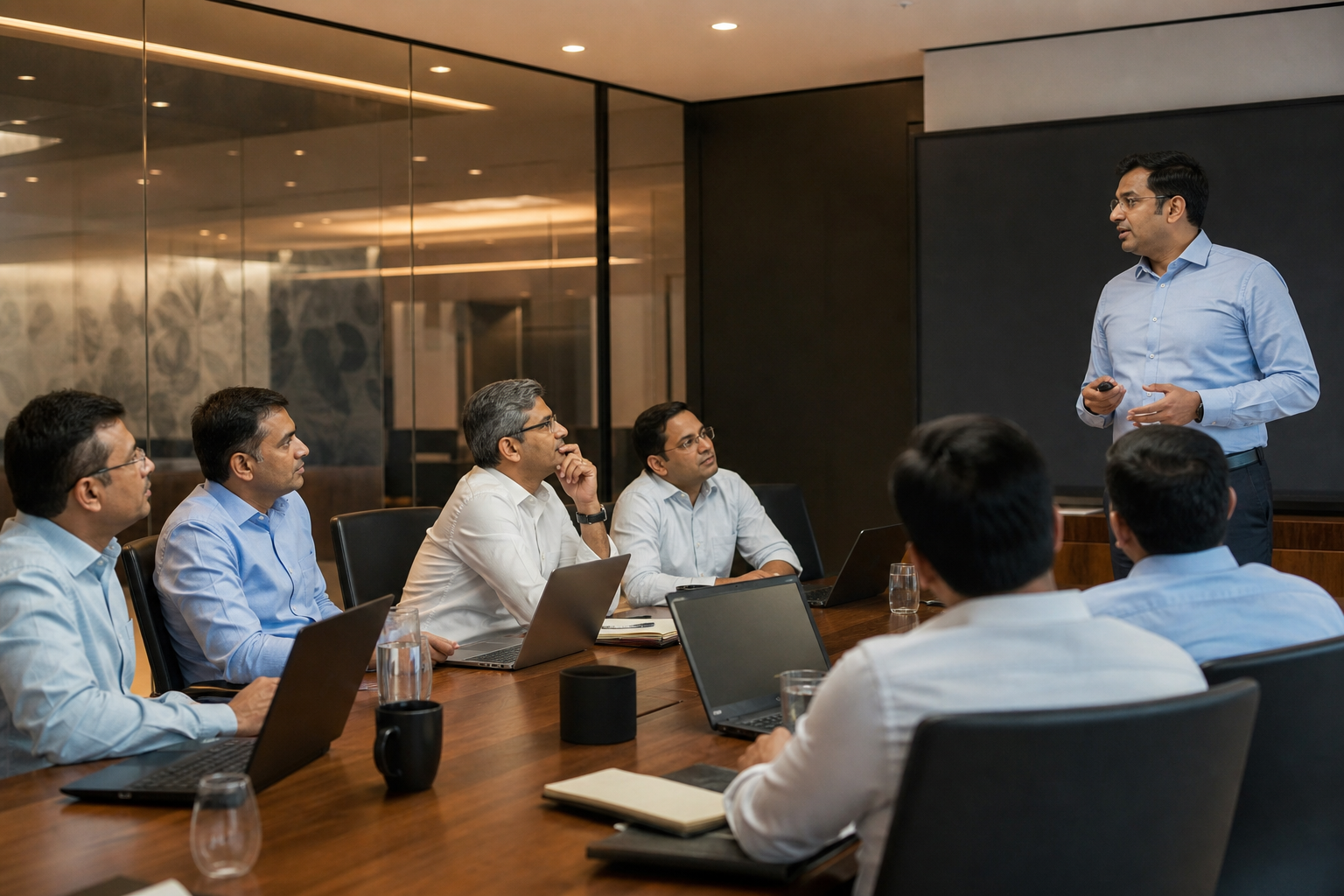
Consultants in a meeting reviewing a delivery plan

Trusted transformation partner for a UK Tier 1 telecom operator

Clay acted as the trusted transformation partner leading Solution Architecture & Design across BSS/OSS for a major UK telecom operator driving IT simplification, 5G enablement, fibre rollout strategy, and legacy stack consolidation across functions spanning the CIO, CTO, COO, CDO and CCO organisations. This is consulting at the level that shapes what gets built, not advisory delivered after the fact.

Read the case study →
A manager in a café holding a tablet

Licensing and workflow consulting that reframed a cost assumption.

For a café chain running ServiceNow across roughly 5,000 laptop users spanning cafes, head office and regional offices, Clay's consulting work identified that only 30-35 paid ITSM licences were actually needed because licences apply to IT staff working tickets, not to every end user accessing the portal. A straightforward piece of advisory work, delivering a direct and immediate cost justification most organisations would have simply assumed they couldn't get.

Read the case study →
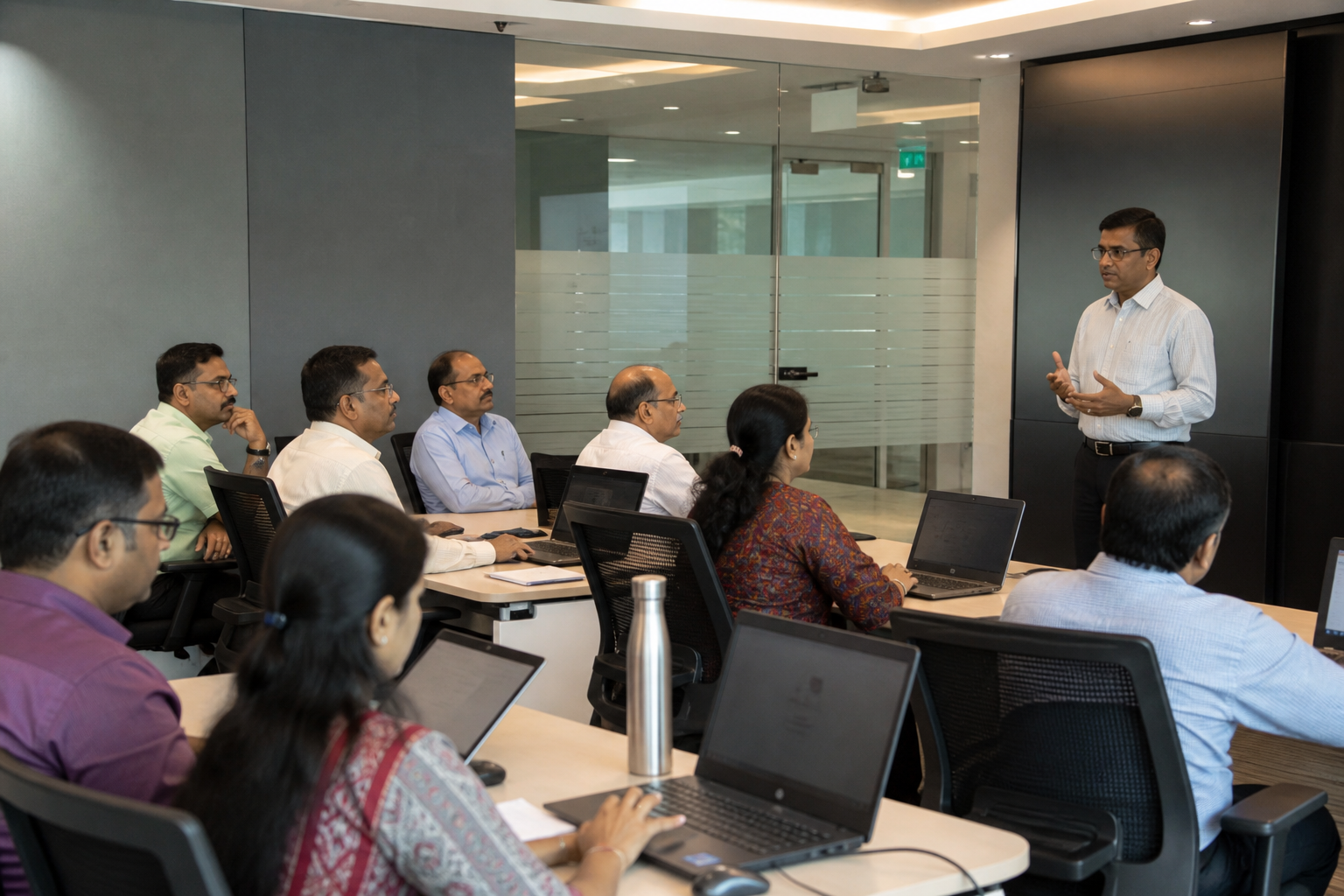
A trainer leading a room of people at laptops

Training & Enablement and Transformation Consulting, already live as named services

This isn't a new offering built for this page; Clay already runs Training & Enablement and Transformation Consulting as explicitly named services for its MegaHOPEX partnership today, described on Clay's own site as hands-on sessions that get teams actually using a platform, plus advisory on tying strategy, IT and operations together. This page extends that same proven model across Clay's full partner stack.

See the MegaHOPEX partnership →
Two people working together on laptops

Customized training, delivered as a standing client service

Clay's Shopify-as-a-Service offering includes customized training for client teams on efficient store management, alongside ongoing performance monitoring and support; real, live evidence that training delivery is a standing part of how Clay operates, not a new capability invented for this page.

A consultant reviewing work on a tablet

AWS Storage Competency Consulting Partner

Clay holds AWS Partner Network Storage Competency Consulting Partner status, recognising deep domain and consulting expertise helping enterprises adopt and deploy complex storage solutions; a verified, named consulting credential, independent of the Qlik and ServiceNow partnerships referenced elsewhere on this page.

Questions worth asking before you scope this

Q: Is this just documentation with extra steps?

No, training here is role-based and scoped to what each team actually does inside the platform, delivered by the people who built it, not a generic manual handed off at the end of a project.

Q: Do we need consulting if we already know what we want built?

Often yes, because "what we want built" and "what the roadmap, TCO and change-management plan actually require" are frequently different conversations; consulting is where that gap gets caught before it becomes a budget problem.

Q: How is AI actually involved in training, specifically?

Primarily in personalization (adapting to a learner's role and pace) and ongoing support (an assistant that answers in-platform questions after the session ends) and not as a replacement for a human trainer's judgment on what a team actually needs to learn.

Q: Can you train our team on a platform someone else built?

Yes, though enablement is strongest when Clay's consultants also understand the specific implementation decisions behind the platform an assessment phase usually precedes training in that scenario.

Q: What does "change management" actually include?

Structured planning for how the organisation adopts the new platform in practice; communication, phased rollout, and the internal champions identified through train-the-trainer work, not just a project-plan line item.

Ready to make sure your platform actually gets used?

Tell us what you've built or are about to build, and where adoption is already stalling or likely to. We'll scope the consulting, the training, or both, the full IT consulting services and enablement engagement, not just the half that ends at go-live.