Approval Hierarchy, RBAC & SLA
Every request gets a defined approval hierarchy, role-based access control, and an SLA attached the moment it's raised — so nothing sits unassigned and nothing gets approved by the wrong person.
So your team always knows who's doing what, and by when. WFM (workflow management) is Clay's cloud-based platform for approval processes, SLA adherence, a permanent audit trail and operational transparency with an AI layer that now flags a delay before it happens, instead of just recording that it did.
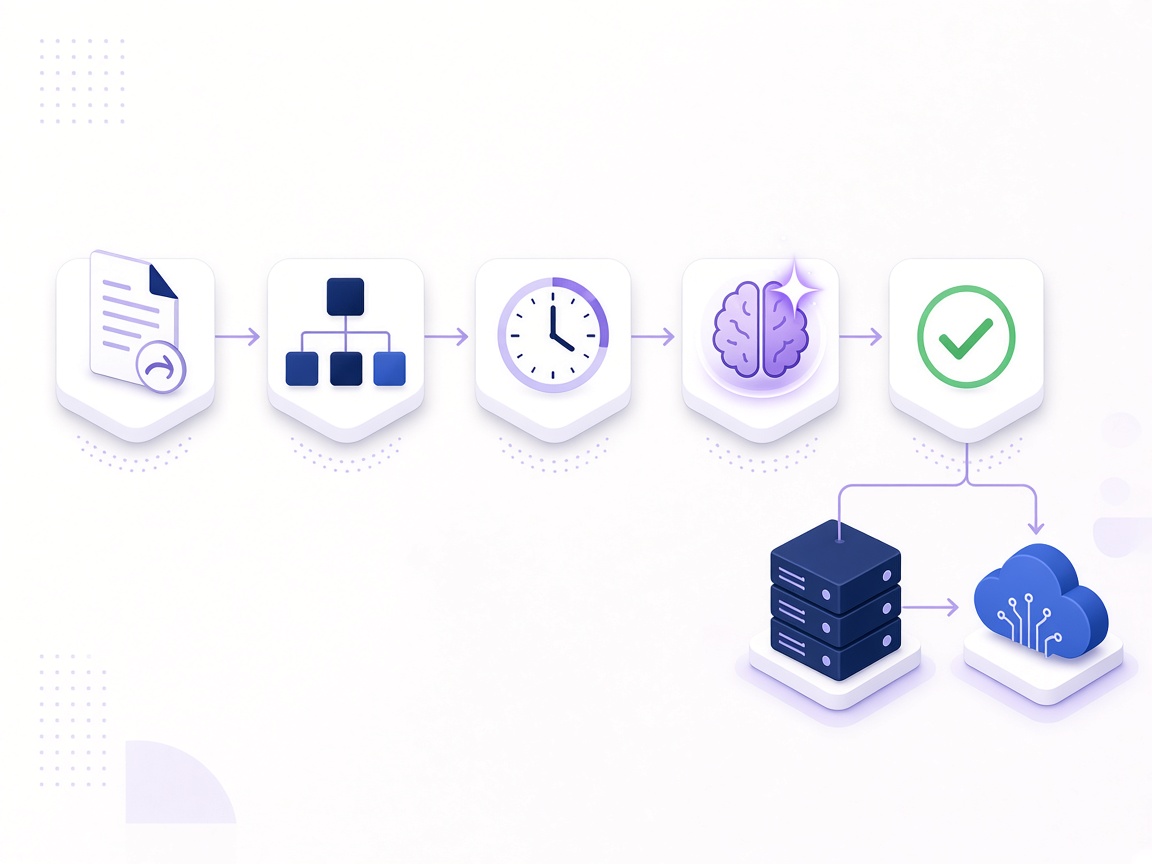
01
Raise
Request lands with an owner
02
Route
Hierarchy and RBAC decide who signs
03
SLA clock
Deadline attaches immediately
04
AI watch
Delay flagged before it happens
05
Trigger
ERP, CRM or ServiceNow updates
Days → Hours
Typical approval turnaround
SLA at raise
Nothing sits unassigned
Full audit trail
Every sign-off timestamped
Why Clay
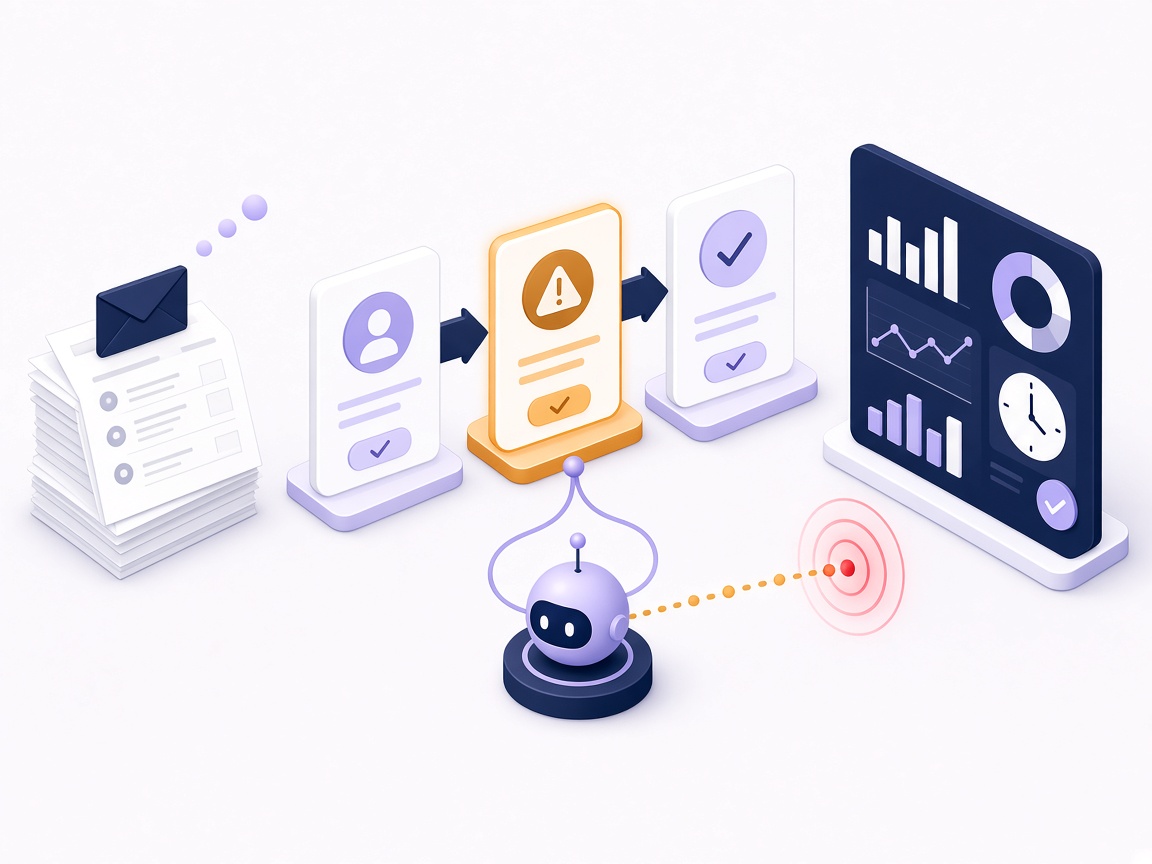
Most workflow automation software digitizes the approval chain and stops there. A form replaces an email, a status page replaces a phone call, and someone still has to notice when something's stuck. Clay builds the layer most vendors skip: AI Agents and predictive SLA monitoring that watch the workflow itself, so a bottleneck gets flagged while there's still time to fix it, not reported on after the deadline's gone.
This isn't a bolt-on. It comes from the same team that builds Clay's ServiceNow and App Engine automation practice, so a workflow built here can sit natively inside a client's existing enterprise stack instead of running as a separate tool nobody adopts.
Key Capabilities
Every request gets a defined approval hierarchy, role-based access control, and an SLA attached the moment it's raised — so nothing sits unassigned and nothing gets approved by the wrong person.
Auto-mailers and a live status dashboard mean nobody has to ask “where is this stuck?”; the answer is already on screen, timestamped, in a permanent audit trail.
The AI layer surfaces a stuck approval before the deadline, not after — so a bottleneck gets flagged while there's still time to fix it.
Routes a request differently by value, department or risk without anyone hand-building that path each time.
Pre-built connectors and drag-and-drop flowcharting so a new approval type goes live in days, not a development sprint.
Connects to third-party apps and APIs, so a cleared approval can trigger a change in your ERP, CRM or ServiceNow instance the moment it's signed off.

From inbox to outcome
Email chains in. Governed, AI-watched approvals out.
Raise, route, watch the SLA, then trigger ERP, CRM or ServiceNow the moment it's signed off.
Our Technology Partners
ServiceNow's App Engine is where this practice runs at enterprise scale — the same low-code platform Clay's ServiceNow team builds ITSM and ITOM workflows on, which is why a Clay-built approval flow can live natively inside a client's existing ServiceNow instance. ServiceNow's own AI capabilities — AI Agents, Now Assist, Predictive Intelligence — are what turn a routed approval into one that resolves itself.
RPA (Robotic Process Automation) covers what sits just outside the approval itself: data entry, record syncing, document extraction — repetitive work automated so people only step in for the decisions that actually need judgment.
Where a workflow needs to reason over unstructured documents rather than just route them, that's AI & Intelligent Automation picking up the load — the newest addition to Clay's practice, built specifically for that gap.
Benefits
Every approval inside a workflow management system runs on a visible SLA clock so no request sits idle, unassigned, and no deadline slips silently.
Role-based access control and a defined approval hierarchy gives every request one clear owner at each stage leaving no room for ambiguity on who's actually meant to sign off.
Every approval, rejection and change request is timestamped automatically by the workflow automation software underneath making the system compliance-ready.
Automated routing and low-code design cut turnaround time from days to hours — the real ROI behind investing in business workflow software in the first place.
AI-driven predictive SLA monitoring flags a stuck approval before the deadline passes, turning a workflow management software deployment from a record-keeper into a hazard mitigation system by warning timely.
From a single department to an enterprise-wide rollout, the same governed platform scales without re-architecting anything underneath it.
Use Cases
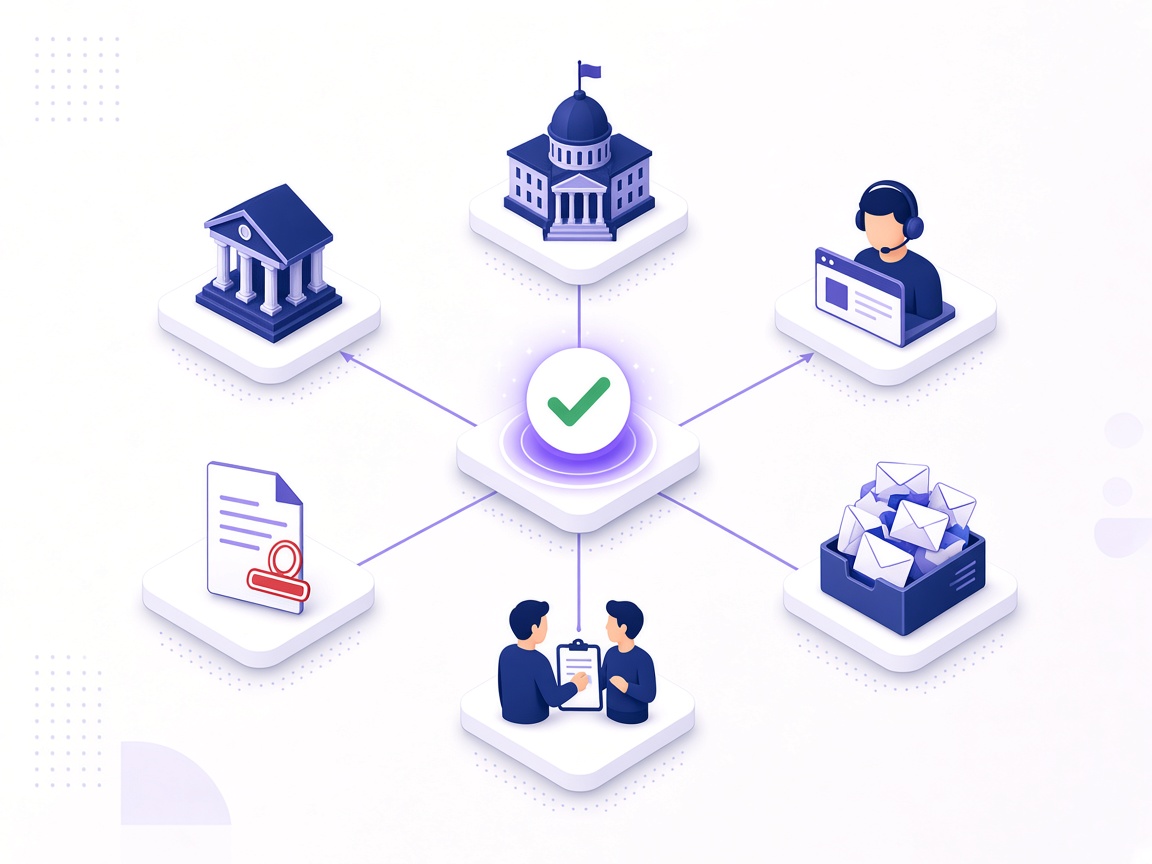
Finance, procurement & HR
Multi-level approval chains across teams
SLA-bound service requests
Tracked across departments, not inboxes
Account opening & loans
Origination and onboarding approvals
Jana Bank
Customer service ticketing
Request management, end to end
VI
Vendor & contract approvals
Sign-off with a permanent trail
Government publishing
Content released only once approved
RTA Dubai
Onboarding & offboarding
Employee joiners and leavers, governed
Marketing, legal, compliance
Cross-team sign-offs on one path
Anything still on email
If it needs an audit trail, it belongs here
Case Studies
Beetel, a US-based telecom company, ran every approval over email with no tracking, no visibility into who raised a request or whether an SLA had already been missed. Clay built a custom workflow platform with approval-type hierarchies, SLA definitions per desk, role-based access control and automatic status mailers replacing the email chain with a governed, auditable process and advanced analytics on top of it. That same governed data is exactly the foundation a predictive SLA or intelligent-routing layer would sit on today.
Read the full case study →Dubai's Roads and Transport Authority was managing content approvals offline and ad hoc where nothing stopped unapproved material from reaching end users, and there was no separate, trackable path for change requests. Clay implemented a governed approval workflow process inside the system itself: content is reviewed and released only once approved, and every change request is handled on its own track rather than folded into routine sign-off. It's the same discipline behind Beetel's rebuild that is a business workflow software that removes any ambiguity about what's approved, what's pending, and what an end user is even allowed to see.
Read the full case study →Manual, paper-based processes across account opening, loan origination and customer onboarding left Jana Bank exposed on transparency, security and regulatory compliance. Clay's workflow automation digitized the full chain and added compliance and audit tracking on top with every step monitored, every activity reportable at audit time, in turn, turning a paper trail into a governed workflow management system a regulated bank could actually stand behind.
Read the full case study →VI's customer service function was running on manual processes, driving up turnaround time (TAT) and leaving no centralized way to track a request end-to-end. Clay's workflow automation covered request management, issue resolution and service provisioning, backed by a centralized ticketing system for real-time visibility. TAT dropped, governance improved, and VI could finally see and prove how a request moved from raised to resolved.
Read the full case study →FAQ
No, AI Agents and predictive alerts sit on top of the same role-based hierarchy you define. AI flags problems and can resolve routine cases; it doesn't override who's authorised to approve something.
No. Clay's workflow management software runs standalone or natively inside an existing ServiceNow instance where the AI layer works either way.
With low-code workflow design and pre-built connectors, most new approval types are configured in days, not a full development cycle.
Industries Served
Related Services & Products
Tell us what's stuck right now whether it's an approval sitting in someone's inbox, an SLA nobody's tracking or a major process still running over email. We'll tell you honestly what it takes to fix it.
Book a Demo →