Real-Time Analytics
Insights update as data lands rather than on a weekly export, so decision-makers can act while a trend is still forming instead of after it's already cost the quarter.
Dashboards that only display numbers are a filing cabinet with better graphics. Clay's business intelligence software goes further with real-time dashboards, predictive signals, and decisions your leadership can act on the same day. Built on Qlik Sense, Qlik Cloud, and Power BI, with Qlik's own AI layer, particularly Qlik Answers and Qlik Predict doing the heavy lifting underneath.
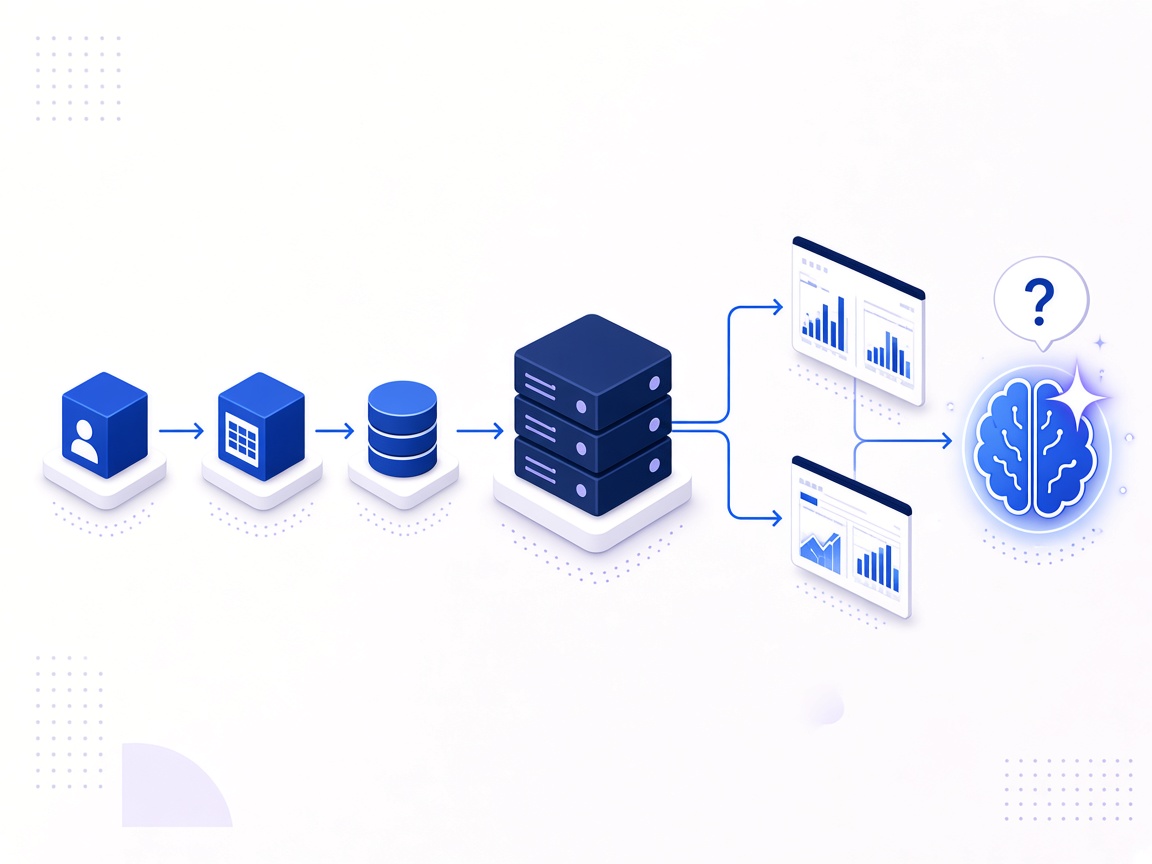
01
Integrate
CRM, ERP and spreadsheets into one warehouse
02
Govern
Qlik Replicate, Compose and Talend keep it clean
03
Visualise
Qlik Sense and Power BI, live as data lands
04
Ask
Qlik Answers in plain English, not a blank filter
05
Predict
Qlik Predict flags the shift before next quarter
14 → 1
Untrusted reports into one source of truth
Same day
Decisions, not a weekly export cycle
AI-ready
Governed data before any model sits on top
What It Is
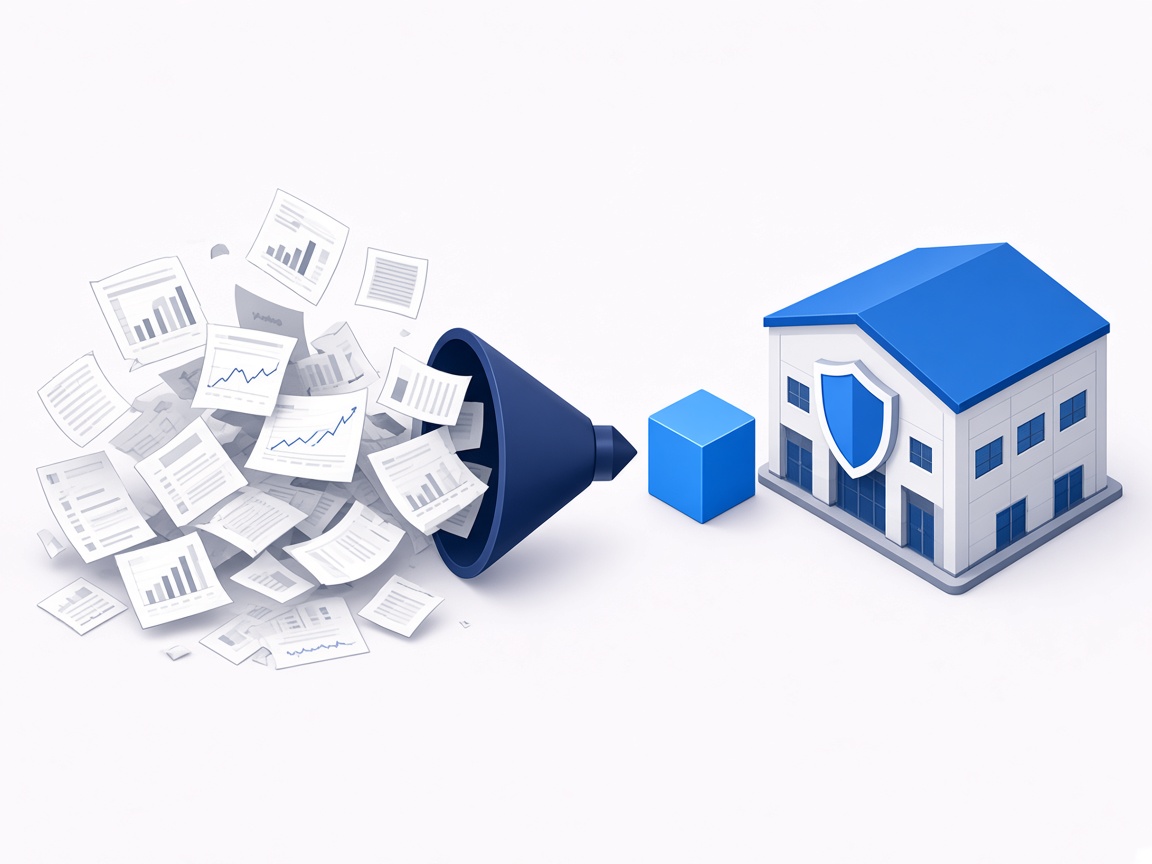
Most BI vendors promise insight and deliver a dashboard nobody opens twice. Clay starts one layer down from the ETL, data integration, and data governance work that turns scattered CRM, ERP, and spreadsheet data into one trusted, AI-ready data warehouse. One client came to us running 14 untrusted reporting processes; we made it one.
Built by the same engineers behind Clay's ServiceNow workflow and data infrastructure practice, so the intelligence layer isn't retrofitted in the aftermath of the launch, instead, it's part of the stack from day one.
Key Capabilities
Clay's business intelligence solutions cover the full stack a growing enterprise actually needs to evaluate before investing.
Insights update as data lands rather than on a weekly export, so decision-makers can act while a trend is still forming instead of after it's already cost the quarter.
Sales, finance, supply chain, inventory, operations and customer service dashboards built on Qlik Sense's associative engine, so any user can explore relationships in the data without waiting on IT to write a new query.
For organisations standardised on Microsoft, Power BI delivers the same enterprise-grade analytics natively inside Excel, Teams and Azure, live alerts and mobile access included.
A manager can ask a dashboard a plain-English question and get an answer instead of a blank filter. Qlik's AI layer is where the buying decision usually gets made.
Predictive analytics and forecasting that catch demand shifts and anomalies before they become next quarter's problem.
Qlik Replicate, Qlik Compose and Qlik Talend keep the warehouse clean, current and trustworthy enough for any machine learning model built on top of it.
That last part is usually the difference between a BI evaluation that goes well and one that doesn't. Dashboards are easy to demo. Governed, AI-ready data underneath them is the part vendors skip past, whereas this is the part that decides whether the rest of this actually holds up at scale.

One governed data foundation
Built for decisions your leadership can act on the same day
Real-time dashboards on Qlik Sense and Power BI — with Qlik Answers and Qlik Predict doing the heavy lifting underneath.
Use Cases
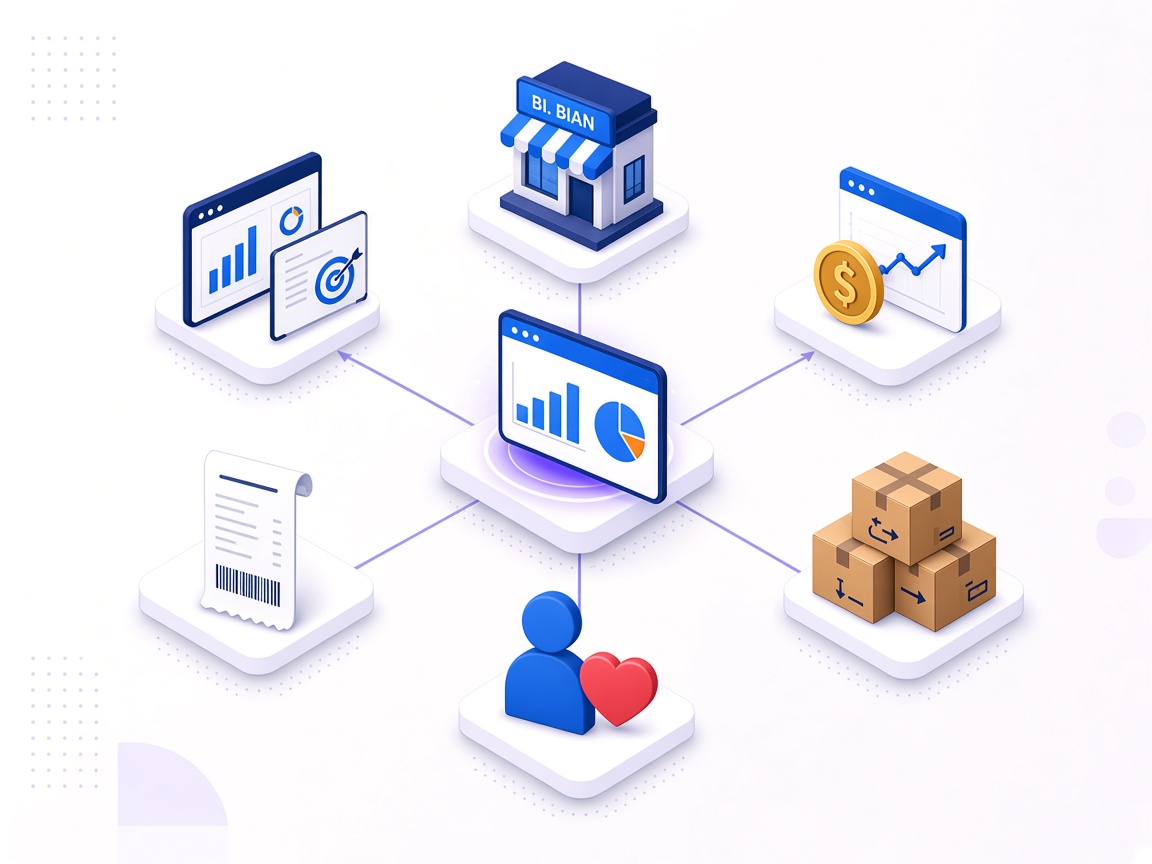
Sales performance
By product, region and customer segment
Financial forecasting
Revenue and expense analysis
Supply chain & inventory
Optimisation before the shortage hits
Customer analytics
Behaviour and satisfaction in one view
Outlet-level P&L
Visibility for field and territory teams
Executive KPIs
Board-level reporting, same day
Proven Results
Three enterprises, three problems, one discipline underneath all of it: get the data engineering right first, and the insight, plus whatever AI gets layered on top of it later, corrects itself and becomes self-sustaining.

Fragmented reporting across silos, no unified view for decision-making. Clay integrated multiple data sources into one governed suite of Qlik dashboards, the same foundation Mahindra can now put Qlik Answers or Qlik Predict on top of, with nothing to re-engineer underneath.

Department heads needed hotel-level financials before meetings, not scrambled together beforehand. Clay's Qlik Sense implementation turned pre-meeting prep into a five-minute dashboard check.

Territory managers needed store-level P&L visibility before every site visit, across a network too large to track manually. Clay's dashboards put sales, cost, and profitability data in front of them instantly.
Still running on spreadsheets instead of one AI-ready source of truth? This is a version of the problem we've already solved. Start a conversation →
Our Technology Partners
Qlik is the foundation this practice grew up on — the associative engine that turned Mahindra, EIH, and Burger King's fragmented data into one explorable model, no pre-built query paths, no dead ends. That same engine now carries Qlik's own intelligence layer: Qlik Answers for natural-language query, Qlik Predict for forecasting, Qlik Automate for turning a flagged insight into a triggered workflow instead of just a notification.
Power BI earns its place on reach — native inside Excel, Teams and Azure, with Microsoft's own Copilot built in. Clay's work here goes into what's invisible: the modelling layer, the DAX calculations, the governance rules that make a deployment last past the first demo.
Neither tool works alone anymore. Where the data footprint outgrows what Qlik or Power BI can carry on their own, Databricks' governed lakehouse architecture is the layer picking up the load — see Databricks & AI-Ready Data Engineering →
Looking Ahead
Yesterday's BI answered what happened. Today's has to answer what happens next, and that shift comes down to machine learning and predictive analytics sitting on the same governed data, not bolted on as a separate system.
Qlik Predict flags a supply chain disruption before it shows up in next week's report. Qlik Answers lets a manager ask a plain-English question instead of building a filter by hand. Where the data footprint outgrows Qlik alone, Databricks keeps everything underneath it clean, unified, and ready to scale.
None of this replaces Qlik or Power BI; instead, it sits on the data foundation those platforms already give you. Skip the governance step, and predictive analytics stops being predictive. It's just a model guessing on bad data.
Industries Served
Related Services & Products
Tell us what's broken — reports nobody trusts, a dashboard nobody opens, a decision that takes a week because the data does. We'll tell you honestly what it takes to fix it.
Start a conversation →