The governance maturity curve
The governance maturity curve: where does your data actually sit?
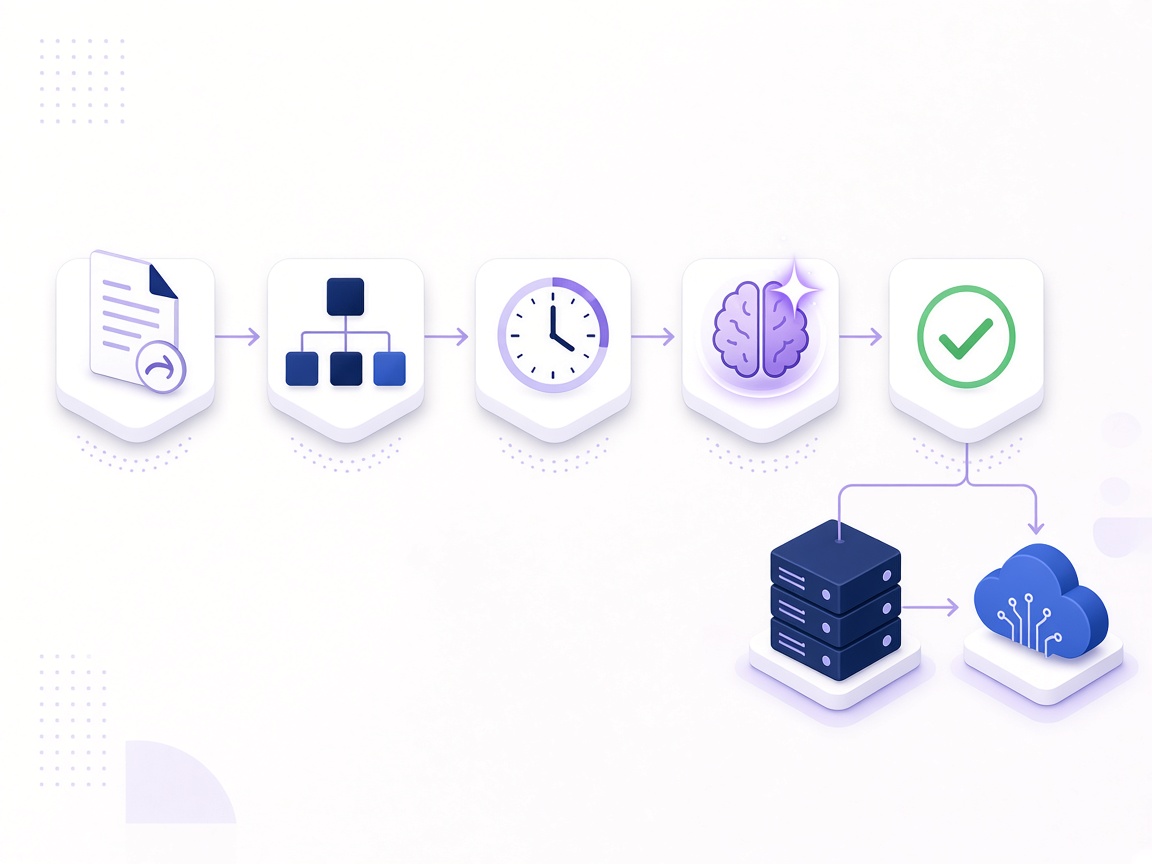
Not every organisation needs the same governance, and pretending otherwise is how programs stall. Four real stages, and most enterprises can place themselves honestly on this curve in under a minute:
Reactive
Governance happens after something goes wrong; a data breach, a failed audit, a compliance finding. There's no proactive control, just incident response with a governance label on it.
Defined
Policies exist. Roles are documented. The problem is enforcement — the policy says one thing, and what actually happens in the systems is often something else, because nobody's watching the gap.
Automated
Access controls, audit trails and data quality rules are enforced by the systems themselves, not by a person remembering to check. This is where most enterprise data governance services actually deliver value based on rules that hold whether or not someone's paying attention that week.
Intelligent
AI sits on top of the automated layer, flagging the access pattern that looks wrong even though no single rule was broken, surfacing the data classification a human reviewer would have missed, and answering plain-language governance questions instead of requiring a report request.
Clay's governance engagements start by placing you honestly on this curve, because the fix for "Reactive" is different from the fix for "Defined but unenforced," and a program that skips the diagnosis usually builds the wrong thing.