Tribal knowledge that already walked out the door
The developer who understood why a particular workaround exists left two reorganisations ago. What's left is code nobody wants to touch, because nobody can predict what breaks if they do.
App modernization can be difficult when no one fully understands how an old system works. Clay TechSystems helps businesses understand and map their legacy systems with AI before rebuilding them, making modernization faster, easier, and less risky. Clay TechSystems provides app modernization, custom app development, and application modernization services powered by AI. Our approach
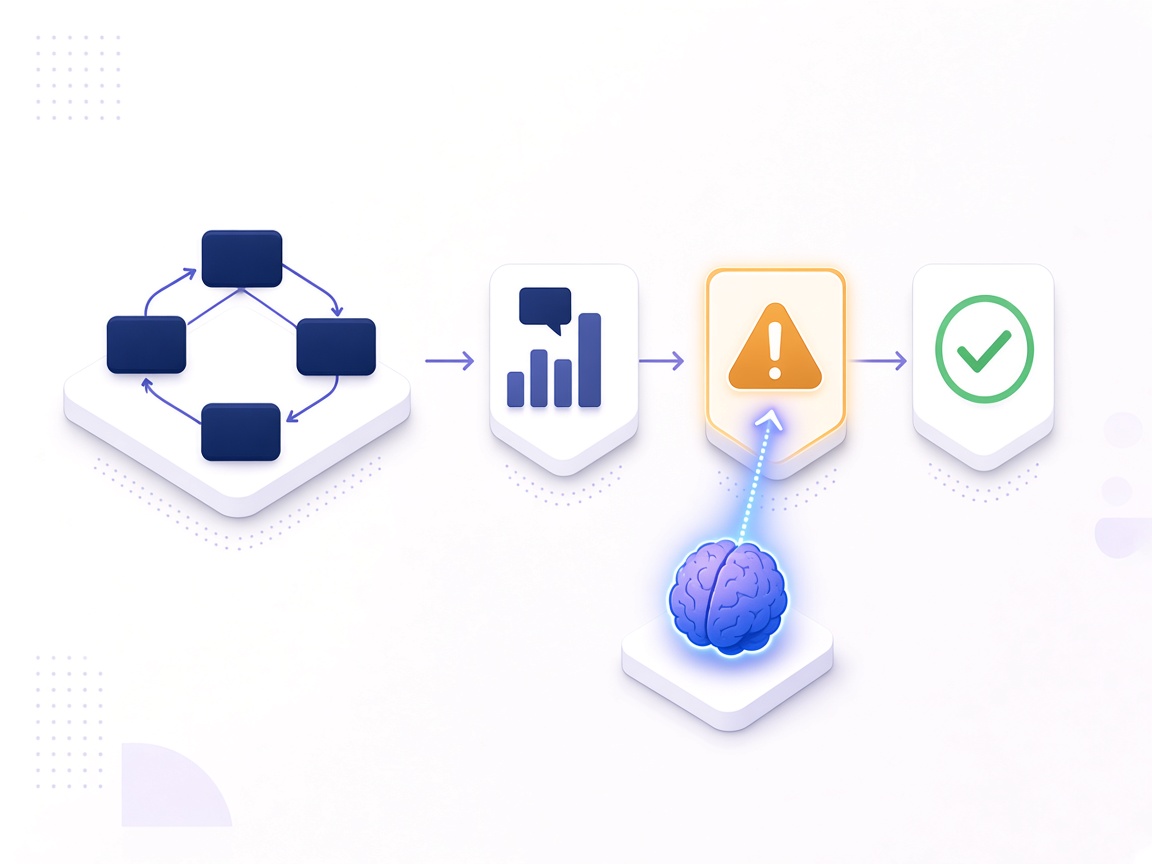
Legacy systems rarely fail all at once. They fail in three specific, expensive ways:
The developer who understood why a particular workaround exists left two reorganisations ago. What's left is code nobody wants to touch, because nobody can predict what breaks if they do.
Even where documentation exists, it rarely matches what's actually running in production. Teams end up trusting the code over the docs, which means every change starts with archaeology.
The most expensive modernization mistake isn't technical, it's rebuilding a system faithfully, bugs and all, because nobody mapped what the legacy system was actually supposed to do versus what it happened to do.
An application modernization services engagement that skips discovery is a rebuild with the same blind spots as the system it's replacing, just written in a newer language.
Rehost, replatform, refactor, rebuild
Not every legacy system needs the same treatment, and defaulting to "rebuild everything" is how modernization budgets and timelines both blow out. Four real paths, scoped honestly before any code gets touched:
Move the system to modern infrastructure without changing the application itself. Fastest option, right when the problem is where something runs, not how it was built.
Make targeted changes to take advantage of a modern platform; a new database, a cloud environment without a full rewrite. The right call when the core logic is sound but the foundation underneath it isn't.
Restructure the codebase itself for maintainability, performance or scalability, while preserving what the system actually does. This is where most of Clay's custom app development work happens, legacy applications rebuilt with React, Node.js, Java and modern cloud-native architecture, keeping what works and replacing what doesn't.
Start over, when the legacy system's architecture is fundamentally incompatible with what the business needs now. The most expensive and highest-risk path and exactly why it should be the last option considered, not the first one reached for.
Clay scopes which path fits before recommending one, because the fastest way to blow a modernization budget is choosing "rebuild" when the system only needed "replatform."
Where AI actually speeds up
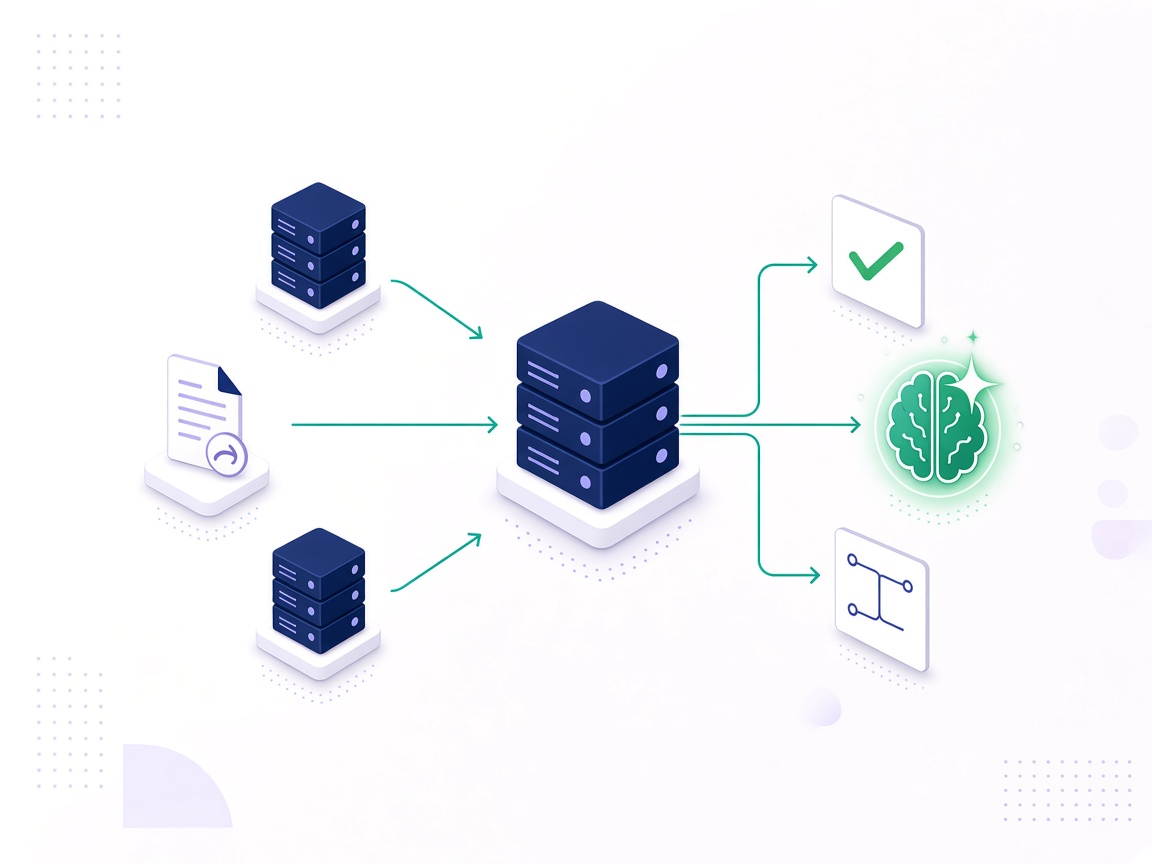
This is the part where most app modernization & custom development with AI claims get vague. Here's the specific version:
AI-assisted legacy discovery. Instead of a team manually reading through undocumented code line by line, AI-assisted analysis can surface what a legacy system's logic actually does; the patterns, the dependencies, the workarounds nobody wrote down, compressing weeks of archaeology into a faster, more complete map.
Pattern detection carried over from Clay's own delivery work. The same rule-based, pattern-flagging discipline behind Clay's fraud-detection pipeline that works in evaluating data against multiple signals simultaneously rather than one rule at a time, is the same mindset applied to legacy discovery: flagging the undocumented edge case the first manual pass would have missed.
AI inside the rebuilt application, not just in how it's built. Once a system is modernized, it's also the moment to decide whether the rebuilt version should carry its own AI capability; a chatbot, an anomaly flag, a natural-language query layer, rather than migrating the old system's limitations forward unchanged.
None of this claims a legacy system maps itself. It claims the discovery phase, historically the slowest and most error-prone part of modernization, is exactly where an AI-assisted first pass earns its place.
Legacy system assessment and discovery. AI-assisted mapping of what a system does today, before any modernization path is chosen.
Custom web application development. PHP, .NET, and Java development for business applications that need to be built around your process, not a template's.
Custom mobile application development. Native Android and iOS, plus hybrid builds where cross-platform speed matters more than a fully native experience.
Cloud-native re-architecture. Microservices, API-first design, and infrastructure that scales horizontally instead of hitting a ceiling the original system never anticipated.
ServiceNow App Engine development. Low-code application builds on ServiceNow where the need is workflow-heavy; approvals, asset tracking, incident management, rather than a from-scratch custom build.
Legacy data migration. Moving and validating the data trapped inside a legacy system as part of the modernization itself, not as an afterthought once the new system is already live.
Ongoing maintenance and evolution. A modernized system that keeps evolving instead of becoming next decade's legacy problem.
Built on the stack
The backbone of Clay's modernization delivery.
Per Clay's own service architecture, App Modernization & Custom Development links directly to workflow automation and ServiceNow. This isn't aspirational: it's the platform behind the majority of Clay's real, delivered modernization work; App Engine builds, legacy ITSM replacements, and multi-system consolidations.
The data layer underneath the rebuild.
Every modernization project eventually hits the same wall: the legacy system's data has to move somewhere, cleanly. Clay's Talend-based data integration practice is what keeps a migration from silently losing or corrupting records during the move, the same cleansing and validation discipline behind Clay's banking fraud-detection pipeline, applied to migration instead of fraud.
Making the modernized system's data visible.
A rebuilt system is only as useful as the insight it produces. Clay's Qlik practice turns a modernized application's data into a dashboard stakeholders can actually use to judge whether the modernization delivered.
For modernization at data-engineering scale.
Where a legacy system's data volume outgrows a standard migration, Clay is actively extending its Databricks practice to support lakehouse-scale data engineering as part of a modernization program.

01
A mobile and broadband operator needed its operational support systems modernized onto a single, TMF-standards-aligned inventory solution, a genuine source-of-truth rebuild, not a patch. Clay's modernization enabled multi-domain 5G network slicing across RAN, core and transport, and delivered a 30% reduction in total cost of ownership.
Read the case study →
02
A European fibre-optic provider was running order fulfilment and service activation across more than 20 disconnected legacy systems. Clay consolidated them into a single ServiceNow platform with full automation and third-party workforce-management integration, cutting fibre rollout project duration and reducing order fallout by half.
Read the case study →
03
A real estate company's customer and property data was scattered across systems with no unified view. Clay built a centralized custom CRM with full mobile accessibility for field agents, who reported a 40% increase in productivity once they could access CRM data, property listings and communication tools directly from the field.
Read the case study →
04
An Australian telecom conglomerate was running a heavily customized, ageing ITSM/ITOM environment. Clay replaced it with a unified ServiceNow suite managing roughly 13,000 servers, 3,000 network nodes, 500+ applications and 27,000+ end users, true legacy modernization at enterprise infrastructure scale.
Read the case study →By mapping what the current system actually does and why, first, the path follows from that assessment, not from a default assumption that "modernize" means "start over."
AI genuinely helps most in the discovery phase, surfacing undocumented logic faster than a manual read-through. It doesn't replace the judgment calls about what to keep, change or cut; that stays with Clay's engineers and your team.
Migration is treated as its own disciplined workstream; cleansed, mapped and validated before load, not assumed to transfer cleanly just because the new system is ready.
Often yes, and it's frequently the smarter call, a phased approach contains risk to one module at a time instead of putting the whole system at risk on one cutover.
By mapping intended behaviour against actual behaviour during discovery, the modernized system reproduces what the legacy system was supposed to do, not everything it happened to do by accident.
Tell us what's running, how old it is, and what's breaking first. We'll scope the discovery, the right modernization path, and what AI can genuinely speed up along the way — the full custom app modernization and development services engagement, start to finish.