AI-Powered Bottleneck Detection
An AI assistant reads live process data and tells you exactly where a task is not performing optimally — not just a status dashboard you have to interpret, but an answer you can act on immediately.
Most business process management software maps a process once and leaves you to notice when it breaks. Clay's BPM platform does the mapping and, along with it, the watching. Built on two decades of ARIS-based process engineering and now layered with AI that can trace a delayed approval to its exact blocker in seconds, this is a business process management solution built for enterprises that need the process visible, not just documented.
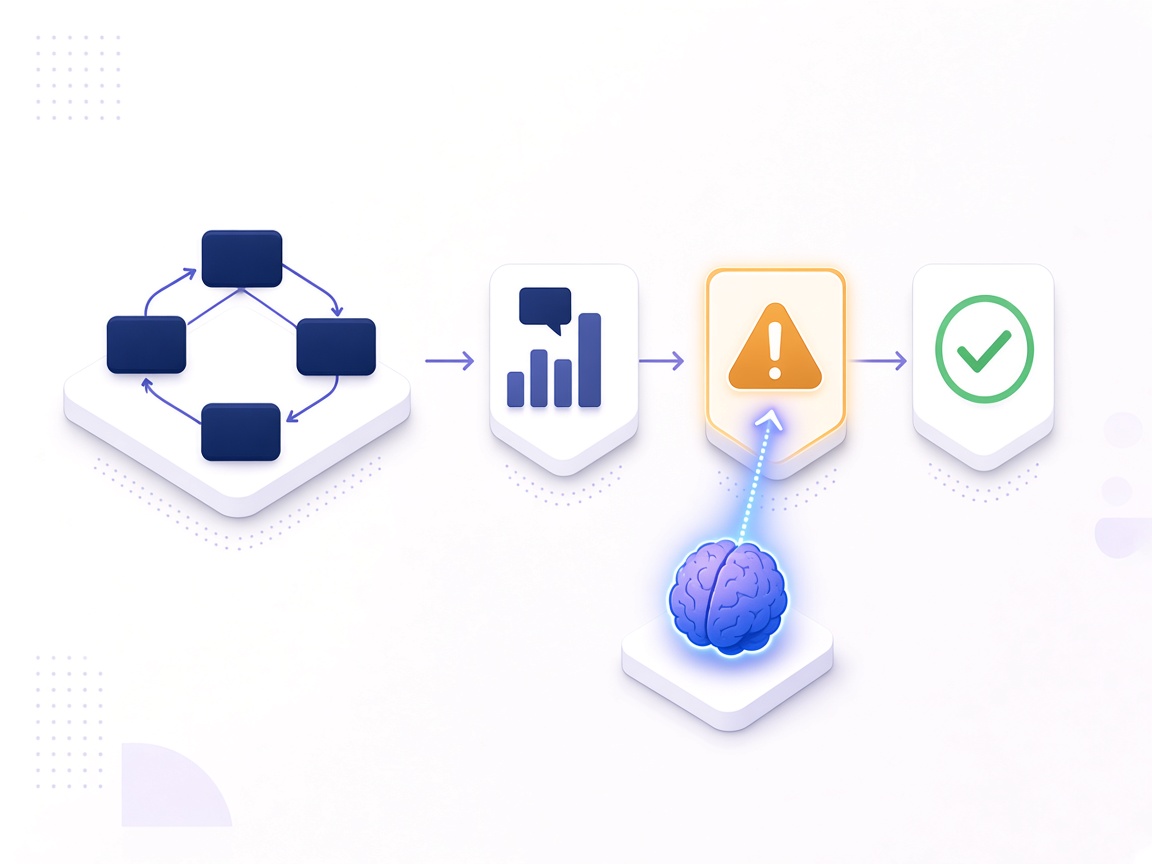
01
Map
Processes as they actually run
02
Govern
KPI, risk and control documented
03
Automate
Approvals with an SLA clock
04
Watch
AI traces the exact blocker
05
Answer
Where's it stuck, in seconds
Seconds
To trace a delayed approval to its blocker
Two decades
Of ARIS-based process engineering
Before the miss
SLA predicted, not reported after
What It Is
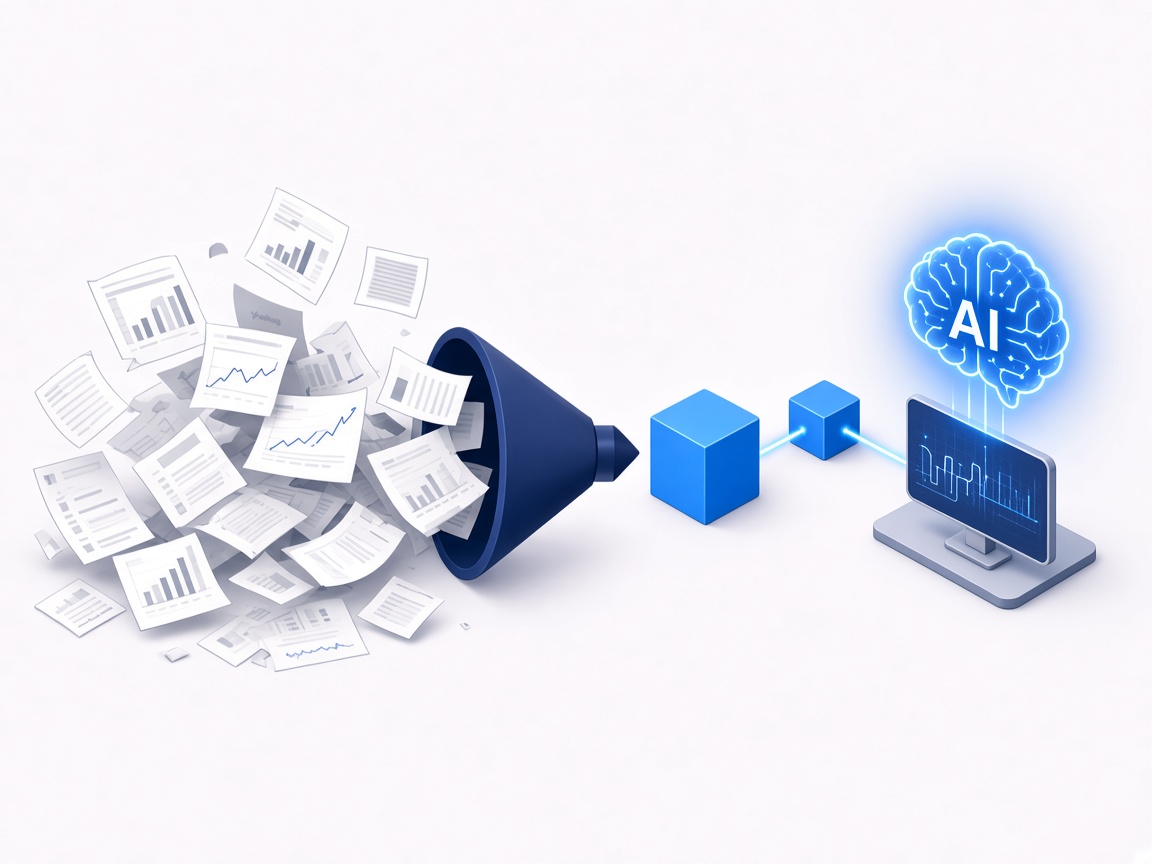
Most BPM software solutions promise "process optimisation" and deliver a flowchart that goes stale the week after it's published. Clay's approach starts with the same discipline that's carried enterprises like Saudi Aramco, IndusInd Bank, DAMAC and Aldar Properties through ARIS-based process transformation for years — modelling processes as they actually run, not as a diagram assumes they run, but in the way that is most efficient for our clients. To accentuate our credibility, the discipline is built on trust as a legacy is furthered with an AI layer that watches the process live.
That AI layer isn't a bolt-on demo feature. For a large infrastructure enterprise, Clay built a secure, prompt-driven AI workflow assistant wired directly into live process data. When a multi-step process like a bridge inspection stalls, the assistant traces exactly where it's inhibited and routes the right person to the blocker page instead of leaving them to search for it. For a financial services enterprise, Clay built configurable multi-level approval workflows with SLA-driven escalation and an AI-assisted query layer, so approval status is answered instantly instead of chased over email.
This is a business process management platform built by the same engineers who build Clay's ServiceNow, Qlik and Databricks work, which means your process layer isn't sitting in isolation from your data or your platforms. It's wired into all three.
Key Capabilities
An AI assistant reads live process data and tells you exactly where a task is not performing optimally — not just a status dashboard you have to interpret, but an answer you can act on immediately.
An AI-assisted query layer over your workflow data lets approvers and managers ask "where's the block" in plain language instead of hunting through a dashboard or emailing someone to chase it down.
Full BPMN-standard process modelling, KPI mapping and risk-and-control documentation — with AI flagging governance gaps and control weaknesses as the process is being mapped, not months later in an audit.
Multi-level business, compliance and finance approval chains with SLA-driven escalation — with AI predicting which approvals are heading toward an SLA breach before they miss it, so escalation happens ahead of the deadline instead of after.
On-premises ARIS Connect migrated to ARIS SaaS, with secure B2B SAML configuration for multi-domain access and AI-assisted validation checks confirming data integrity before and after cutover, instead of a manual spot-check.
Citizen and customer-facing process portals backed by GRC audit trails, with an AI concierge layer that lets a citizen or customer ask "where's my request" directly instead of navigating the portal to find out.

Visible, not just documented
A process layer that answers where it's stuck
Mapped on ARIS, watched by AI, wired into the same data and platforms as everything else you run.
Use Cases
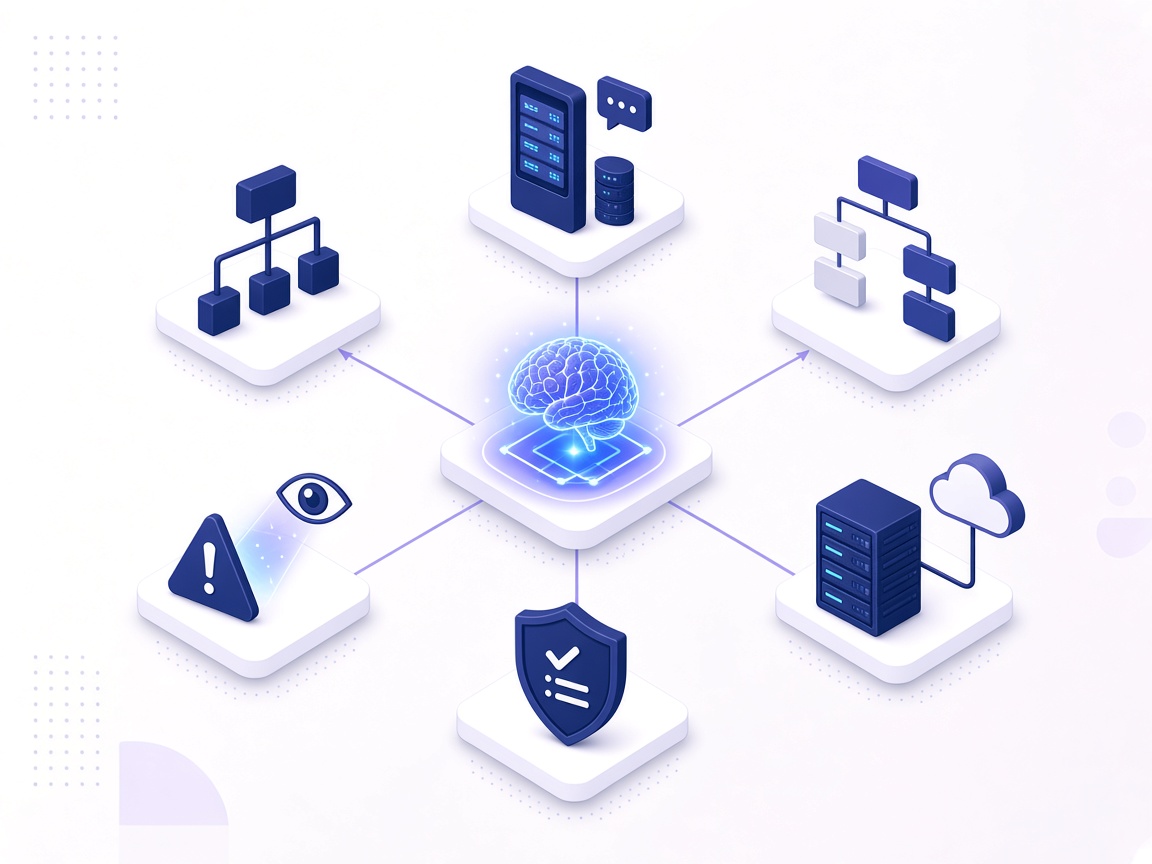
Multi-level approval & escalation
Workflows for regulated industries
Legacy process restructuring
As-is to to-be transformation
On-prem to cloud BPM migration
ARIS Connect to ARIS SaaS
AI-assisted process troubleshooting
Multi-step operational workflows
Citizen & customer self-service
Process portals with an AI concierge
Compliance-ready audit trails
Risk-and-control mapping included
Proven Results
A multi-step operational process involving inspecting a bridge, for instance, could stall with no clear way to see where. Clay built a secure, prompt-driven AI assistant wired into live workflow data that traces exactly where the process is stuck and routes the user straight to the blocker, cutting resolution time and giving the whole process real transparency for the first time.
A financial services enterprise needed multi-level approval across business, compliance and finance teams, with real accountability when something slowed down. Clay built a secure, configurable approval platform with SLA-driven escalation, real-time status visibility, and an AI-assisted query layer — turning "where's my approval" from a chased-down email into an instant answer.
Before the AI layer, there was the process discipline it's built on, including a complex ARIS and ARIS PPM installation and Linux migration Clay delivered for Saudi Aramco, one of the world's largest petroleum refiners, alongside similar ARIS-based engagements for IndusInd Bank, Aldar Properties, DAMAC and Dubai's Roads & Transport Authority.
Run that same class of migration today, and Clay's approach looks different. The Saudi Aramco engagement delivered a faster, upgraded ARIS/ARIS PPM environment, a strong result on its own terms, but one that still needed a person to go looking when a process stalled. Layer Clay's current AI practice onto that same migration, and the environment doesn't wait to be asked: a prompt-driven assistant sits on top of the live process data from day one, tracing a stuck step to its exact blocker the moment it happens, the same way it now does for Clay's infrastructure and financial-services clients above. That's the real difference between a successful legacy BPM migration and the same migration with an AI layer built in from the start — making it not just a faster version of the old model, but a model that tells you where more systemic lubrication is needed instead of making you find out.
Read the full case study →Beetel was running approvals over email, with no way to see who raised a ticket, who owed the next approval, or whether an SLA had already been missed. Clay built a custom workflow management solution defining approval hierarchies by type, role-based access control, automatic SLA tracking per desk, and auto-mailers on every action, replacing guesswork with visible, trackable process ownership.
Read the full case study →If your process runs on email chains and tribal knowledge instead of a system that can actually tell you where it's stuck, this is the exact problem this platform exists to solve. Start a conversation about what yours looks like.
Industries Served
Related Products & Services
Tell us where approvals go to die — whether an inbox, a spreadsheet, or a person on leave. Nobody remains unaccounted for. We'll show you what it looks like when the process can answer that question itself.
Start a conversation →